What the Palio Marinaro del Tigullio is and why it is worth the journey
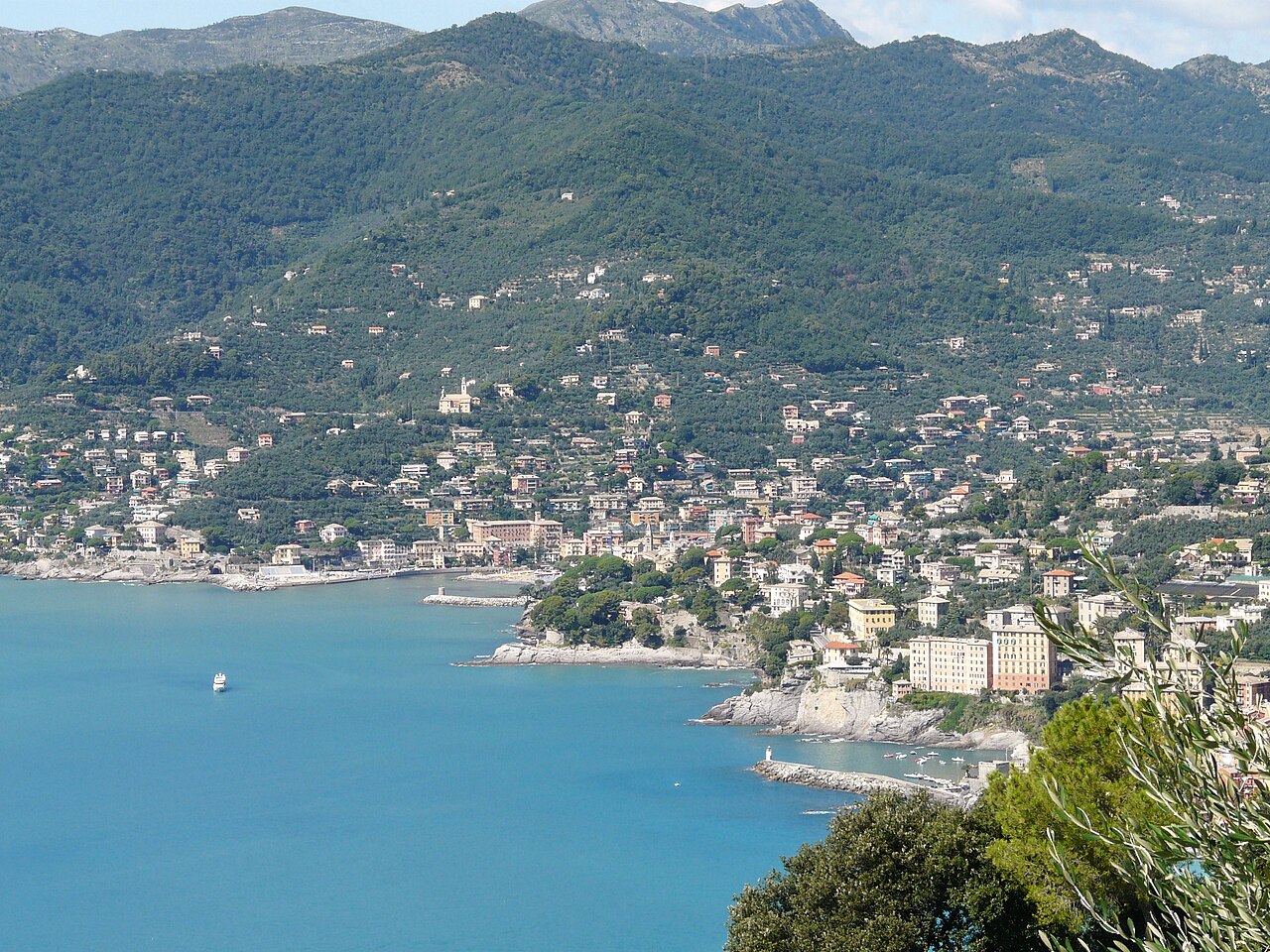
The Gulf of Tigullio built its identity on the sea — not as a backdrop, but as a trade, a labour and a source of pride. The Palio Marinaro del Tigullio is the most authentic expression of this history: a regatta on gozzi, the traditional Ligurian rowing boats, that every summer gathers the Gulf's municipalities in a contest that has lasted for nearly ninety years. The first documented edition was in 1936 in Santa Margherita Ligure — an origin that says everything about the depth of this tradition.
The Ligurian gozzo is a low, stable wooden boat, built to withstand the Levante sea, used for generations by Gulf fishermen to lay nets, carry goods and head out at dawn. At the Palio it becomes an instrument of competition and civic pride: each municipality enters the water with its own crew, its own colours, its own history. Portofino, Santa Margherita Ligure, San Michele di Pagana, Rapallo, Zoagli, Chiavari, Lavagna and Sestri Levante — eight villages, eight flags, one Gulf to cross by the strength of the oar.
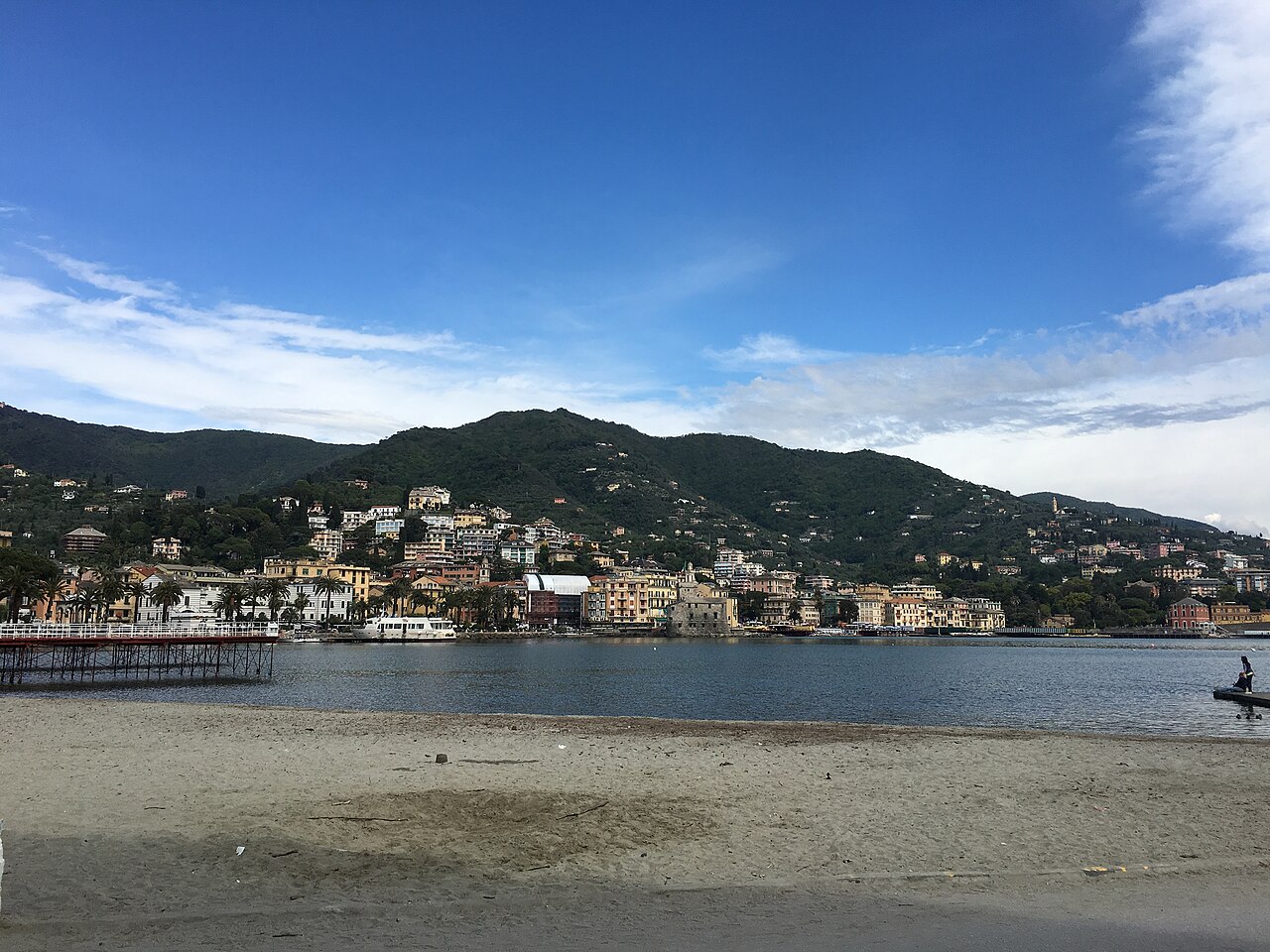
What distinguishes the Palio Marinaro del Tigullio from many similar events is the rotating venue: each year a different municipality hosts the race, becoming a natural amphitheatre for the historical costume procession and for the regatta itself. This means the event takes on a different character every year, because each pier, each seafront, each square has its own personality. The Palio in Rapallo is different from the Palio in Sestri Levante, which is different again from the Palio in Lavagna.
For visitors from outside, the Palio is a double opportunity: to watch an authentic spectacle on the sea — not a tourist reconstruction but a real race, with real supporters — and to experience it inside a Ligurian village at its most alive. The historical costume processions that precede the regatta wind through the centre, traditional music accompanies the rowers to the water, and the seafront becomes a natural, freely accessible grandstand for everyone.
What to expect in practice
The event unfolds in two moments: the historical costume procession, which passes through the streets of the host town before the race, and the regatta itself on the open sea in front of the pier. The support is genuine — the Gulf's municipalities have historical rivalries that surface on these occasions. Families gather along the water's edge, children wave their town's colours, and the rowers pull with the focus of those defending their village's honour. It is a simple and powerful spectacle, with no special effects, and it works precisely because of this.
For photographers it is a hard occasion to beat: the afternoon light on the Ligurian sea, the wooden boats in motion, the reflection of colours in the water — images you will not find in standard tourist packages. Arriving an hour early allows you to position yourself well along the pier and not miss the historical procession, which is often more photogenic than the race itself.