What it is — and why it's worth the journey
There is something rare about an event that has run for over seventy years without losing any of its emotional charge. The Camogli Fish Festival is exactly that: a popular seafood celebration founded in 1952 on the initiative of the local tourism board, repeated every second Sunday of May with the same disarming simplicity. Camogli's harbour fills with families, curious visitors, food lovers and photographers — and at the centre of it all is that pan: enormous, unmistakable, frying without pause for hours.
The pan has become Camogli's most recognisable symbol worldwide: stainless steel, four metres in diameter, around 3,000 litres of oil per festival. It can fry up to 30,000 portions of fish over the course of the day, handed out free of charge to anyone who turns up with a little patience and a desire for good company. This is not a restaurant, not a market: it is a community sharing its sea with all comers. The spirit is genuinely seafaring — generous, direct, without pretence.
The star of the frying pan is local blue fish: anchovies, mackerel, whitebait according to availability and season. The fried fish is seasoned with coarse salt and served in paper, as tradition demands. The whole day is built around the pan: fishermen's stalls, boats moored in the harbour, restaurants offering fish-themed menus, a solemn Mass in honour of the Madonna del Boschetto with a sea procession. The festival is not just about food: it is a collective ritual that tells the story of Camogli better than any guidebook.
In 2027 the 74th edition is celebrated — a number that speaks for itself. The editions are counted with pride, like the anniversaries of a large family: each one is different, each one is the same. Being there at least once is one of those experiences that Liguria offers without asking anything in return.
What to expect in practice
On the day of the festival Camogli wakes up early. Queues for fried fish begin to form in the first hours of the morning: arriving before 10–11am means shorter waits. The harbour and Piazza Colombo become the beating heart of the day, with the pan smoking and sizzling as a visual and olfactory landmark impossible to ignore. The queue is part of the experience: you chat, swap recommendations, hear the city talking about itself.
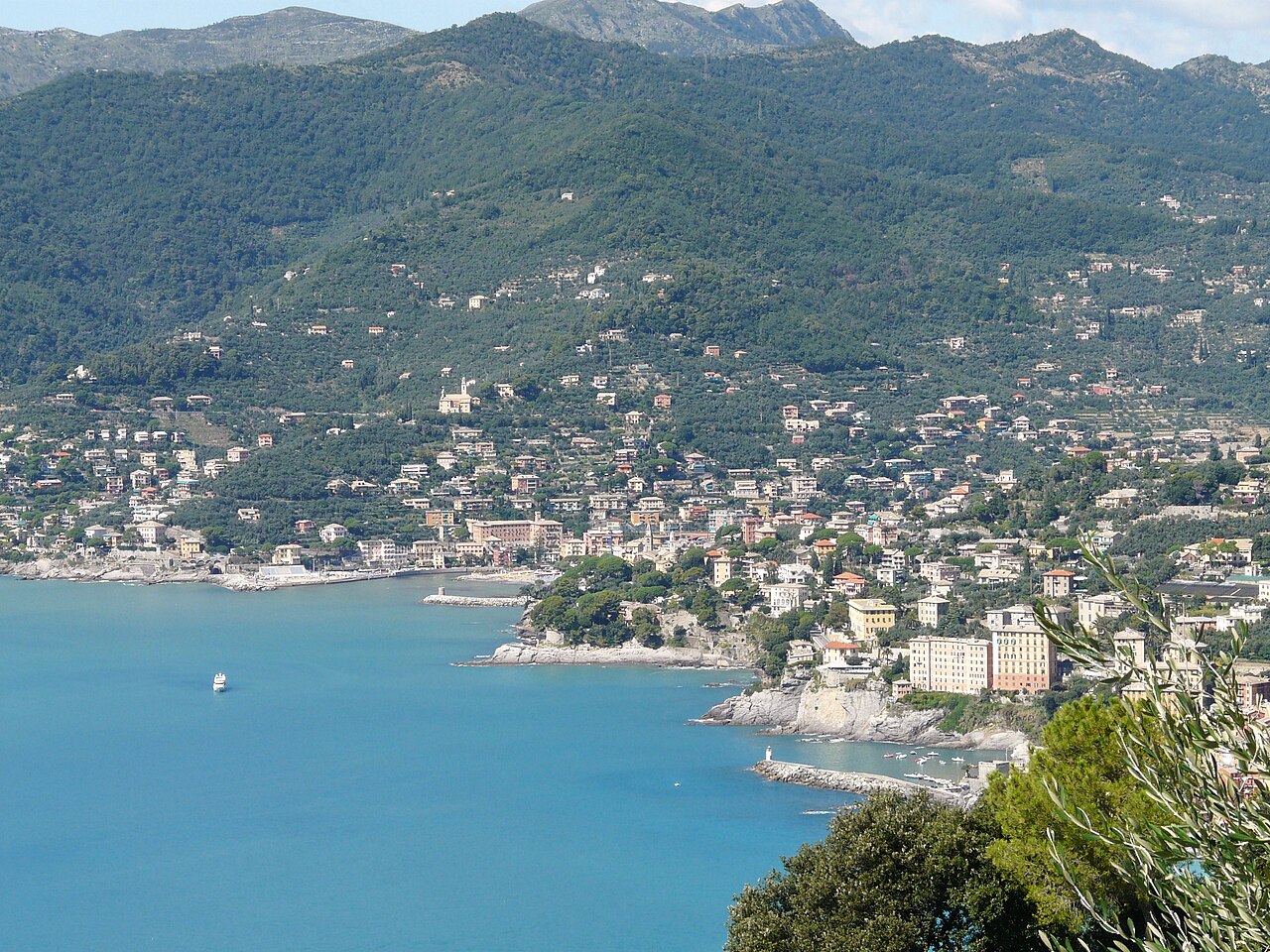
Those who don't want to queue can still enjoy the village: the pebble beach, the Basilica di Santa Maria Assunta, the colourfully painted seafront houses. In the afternoon the crowds thin slightly and the pace slows. The best way to close the day is a coffee at the harbour watching the boats — and to carry home the smell of fried fish as an involuntary souvenir.