What Euroflora is and why it is a rare occasion
Five years is a long time. You cannot easily say "I'll leave it for next time," because a great deal changes between editions — trends in landscape design shift, the designers shaping green spaces evolve, materials and ideas about what a garden means move on. Euroflora captures all of this in ten days of exhibition at the heart of Genoa's harbour.
The first edition was held in 1966 — when the concept of "green architecture" as an aesthetic discipline was still pioneering in Italy. Since then, every fifth spring, horticulturists, landscape designers, nurserymen and enthusiasts from across the continent converge on Genoa. It is not just a trade fair: it is a survey of how the world interprets the relationship between plants, spaces and people at that precise moment in history.
The 2025 edition had the distinction of inaugurating a permanent venue of extraordinary architectural quality: the Waterfront di Levante, the redevelopment project for the former Genoa Trade Fair designed by Renzo Piano. A building conceived to open towards the sea, with pavilions and spaces that — during Euroflora — fill with ephemeral gardens, plant installations and sensory trails of scent and colour.
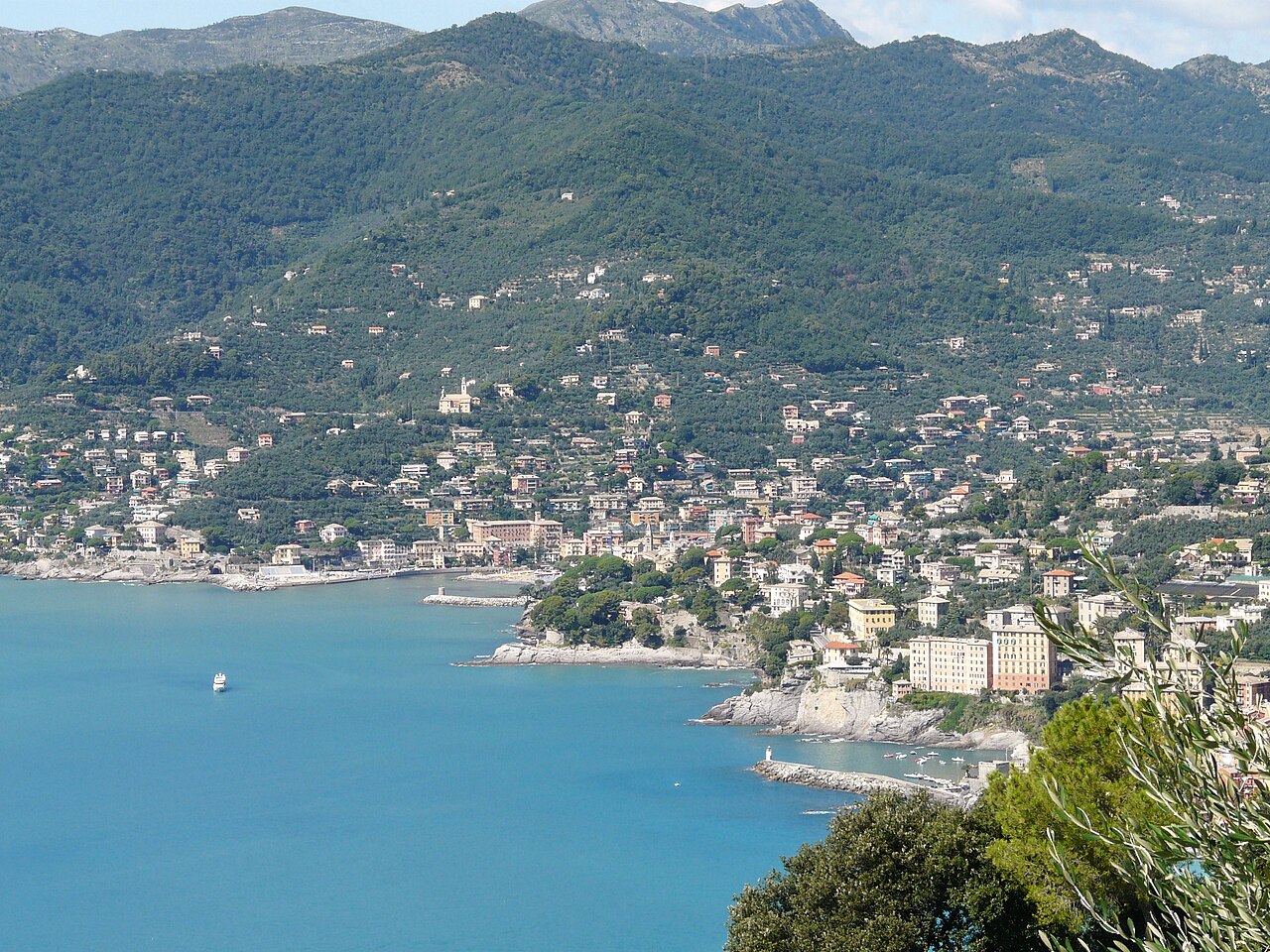
If you are fortunate enough to visit it — and some luck is required, since it only comes around every five years — the visual experience is worth the journey from anywhere in Italy. And Liguria, with its horticultural tradition stretching from the Riviera dei Fiori in the west to the glasshouses of the Tigullio, is the most coherent natural setting imaginable for a show of this kind.
What to expect in practice
Themed gardens to explore at a leisurely pace, surprise floral installations, international floristry competitions, national and regional pavilions where each territory brings its own botanical identity. This is not an event you rush through: those with energy and curiosity spend a full day there. Those who want to go deeper come back more than once.
The Waterfront venue adds another dimension: the architecture itself is part of the experience. Open spaces facing the sea, transparent pavilions, the contrast between Renzo Piano's steel and glass and the greenery of the floral compositions creates images that are hard to forget. It is a space built to capture light — and Ligurian spring light is exceptionally favourable.