A territory that tells its story through design
The Tigullio Design District starts from a simple observation: the Gulf of Tigullio has been, for centuries, a place of high-quality craftsmanship, aesthetic care and fine manufacture. The workshops of Chiavari with their famous straw-and-bent-wood chairs, the architecture studios scattered along the Riviera, the ceramics and weaving workshops that still survive in the historic centres of Rapallo and Santa Margherita — all of this existed long before anyone thought to call it a "district". The project's merit is to have made it visible, connecting it in a contemporary format that invites those with an interest in design and creativity to explore the territory with fresh eyes.
The district works as an open itinerary: studios, showrooms, professional practices, galleries and curated spaces open their doors to the public on dedicated days, allowing access that would not normally be possible. You walk into an architecture practice in Rapallo to see how a Ligurian renovation is designed. You visit a marquetry workshop in Chiavari still using century-old techniques. You discover a furniture brand born from a local craftsman who has turned tradition into a contemporary language. Each space has its own story, and the district puts them all in sequence.
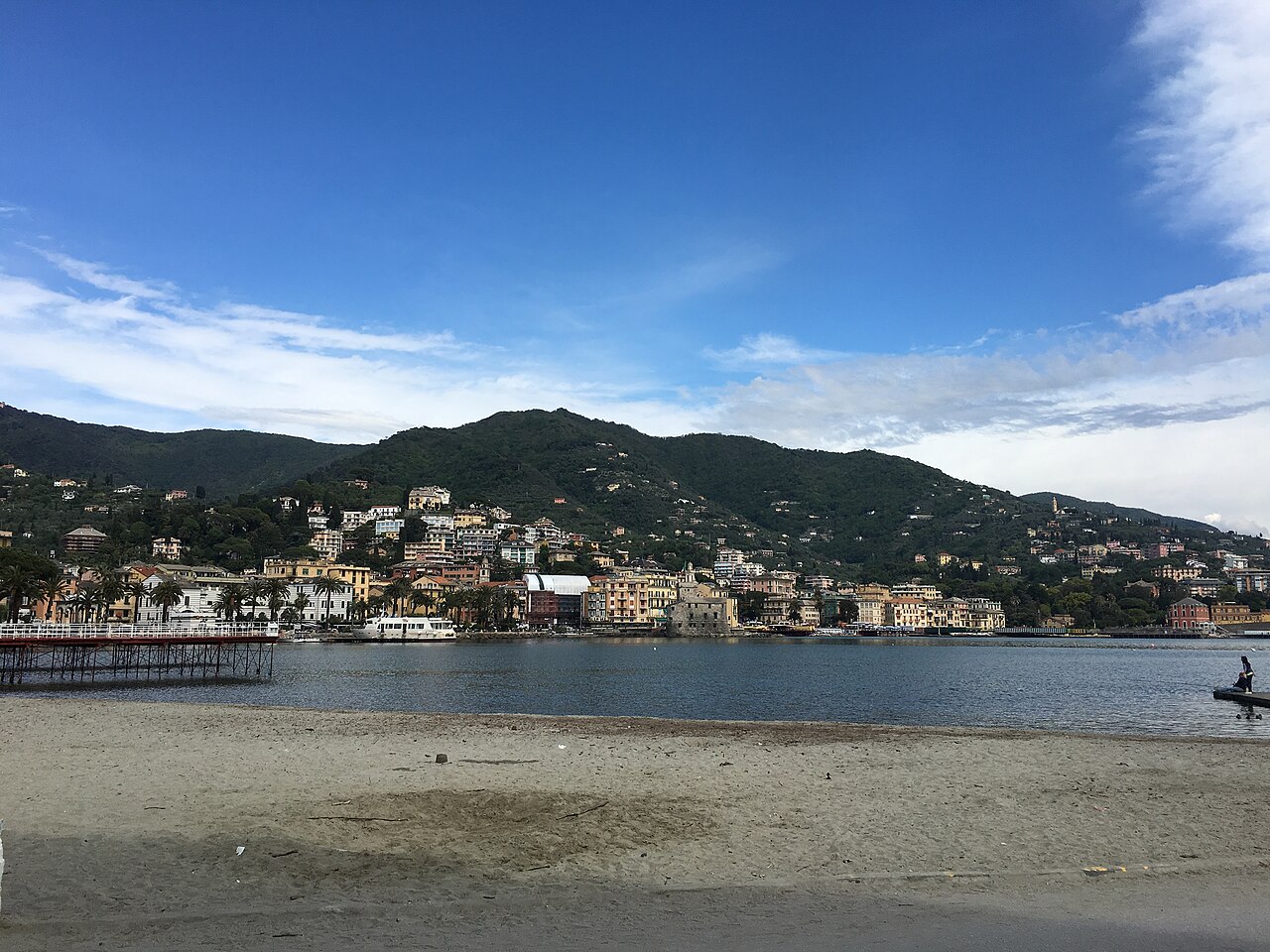
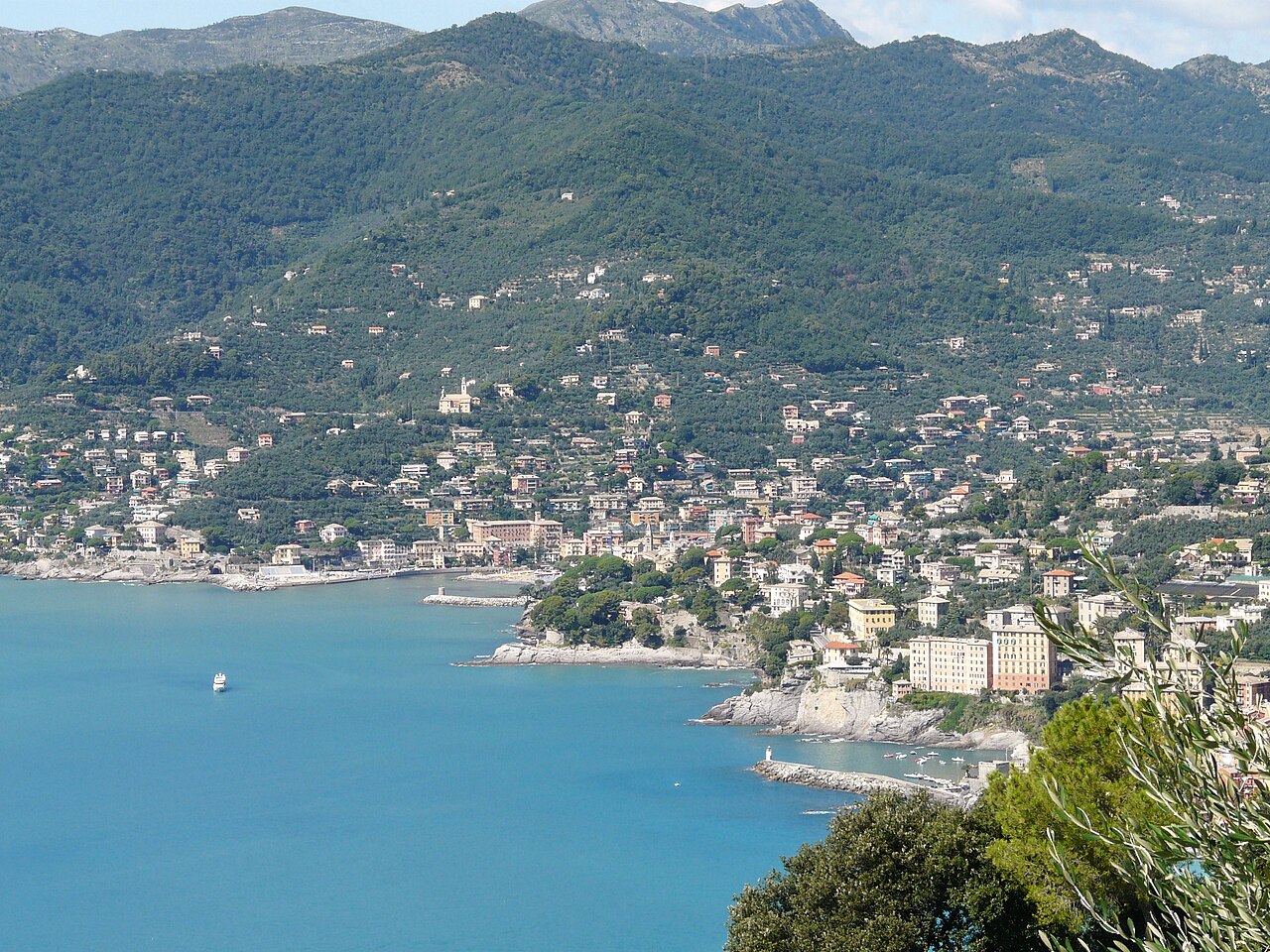
The geography helps enormously. Rapallo, Santa Margherita Ligure and Chiavari are connected by the same railway and are just a few minutes apart: two minutes from Rapallo to Santa Margherita, fifteen to Chiavari. This means that in a single day you can visit spaces in three different towns without ever taking a car, without hunting for parking, without wasting time on logistics. The landscape you pass through — sea, olive groves, historic villages — is part of the experience as much as the creative spaces you visit.
The district attracts a curious, mixed audience: interior designers and architects looking for suppliers or inspiration, travellers drawn to Italian craft quality, design enthusiasts wanting to go beyond the usual metropolitan fairs, couples on holiday seeking something more than beaches. The tone is informal and direct — nobody sells you anything, they show you what they do — but the quality level is high.
What to expect during district days
Openings typically concentrate at weekends, with an open-circuit logic: a map (available on the official website and often in printed form at welcome points) lists all participating spaces with their opening hours and type. There is no rigid schedule to follow — you go in, look around, talk with the people who work there, leave and walk to the next stop. The format rewards those who like to take their time, linger, ask questions. It is not designed for those who want to "do everything" in a rush.
Some spaces organise workshops or practical demonstrations alongside the standard openings — a carpenter showing how wood is bent, a ceramicist working at the wheel, an architect talking through a project in progress. These additional sessions often have limited places and are booked online: keeping an eye on them in the official programme is a good strategy for those who want to go beyond a simple visit.